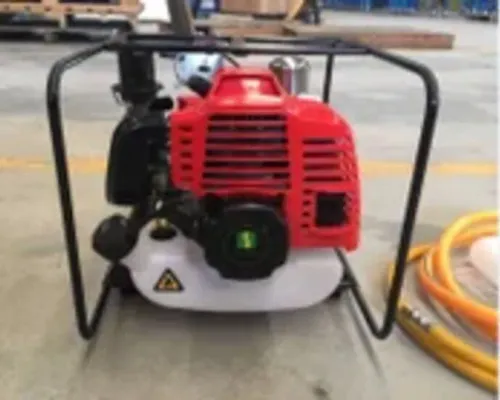
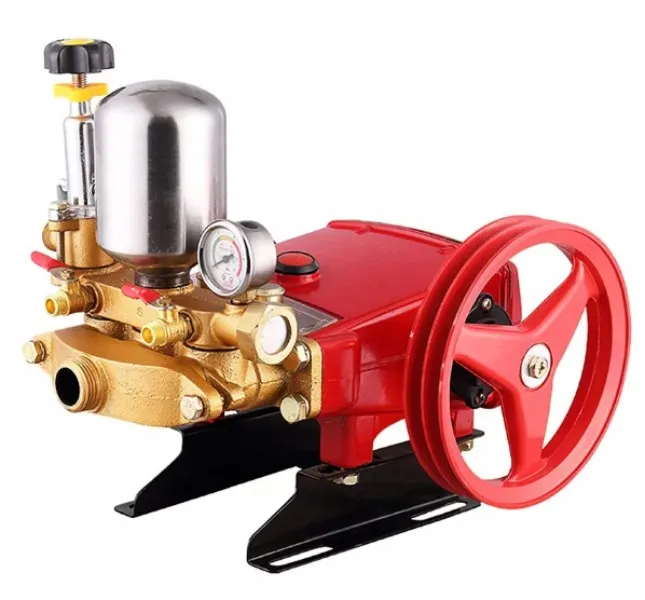
Moving water efficiently is essential for many agricultural operations. Farms may need to transfer water from storage tanks, ponds, wells, or other suitable sources to cultivation areas, while horticulture and landscaping businesses may require portable pumping equipment for different sites.
Choosing suitable Water Pumps begins with understanding the job the pump needs to perform.
A pump that works well for transferring water across a short distance may not provide the required performance where water must travel higher or farther. For agricultural customers in Bangalore and across Karnataka, understanding a few basic pump concepts can make equipment selection much easier.
Start With the Water Source
The first question is where the water comes from.
Different applications can involve:
- Storage tanks
- Farm ponds
- Open water sources
- Collection pits
- Suitable wells
- Temporary water storage
- Irrigation reservoirs
Water quality matters as well. Clean water and water containing suspended particles can place very different demands on pumping equipment.
Never assume that every pump is suitable for every type of water.
Understand Flow Rate
Flow rate indicates how much water a pump can move during a given period.
Higher flow can be useful when transferring large volumes, but maximum flow figures should not be considered independently of operating conditions.
As delivery height and pipe resistance increase, actual flow may change.
Buyers should estimate how much water they need to move and how quickly the job needs to be completed.
Consider Total Lifting Requirements
One of the most common purchasing mistakes is focusing only on horizontal distance.
Vertical elevation can significantly affect pump performance. The height from the water source to the pump and from the pump to the discharge point should be considered together with hose or pipe length.
Fittings, bends, diameter, and other restrictions can also influence the system.
When comparing Water Pumps, provide the supplier with realistic installation details rather than simply requesting a particular horsepower.
Choose Appropriate Hose Dimensions
A pump works as part of a system.
Incorrectly sized suction and discharge hoses can reduce practical performance. Hose condition also matters because damaged connections or air leakage on the suction side can create operational problems.
Farmers should check compatibility between the pump connections and the intended hose system before purchase.
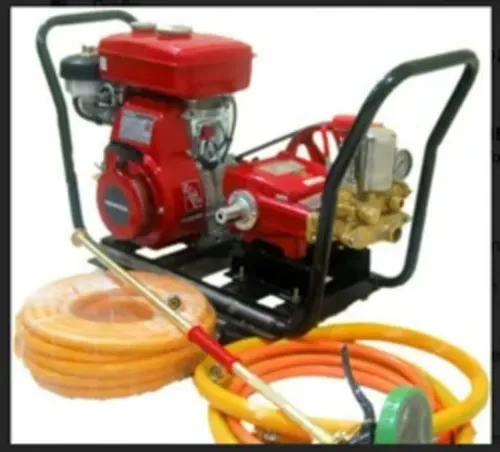
Portable Pumps Can Increase Flexibility
Portable pumping equipment can be particularly useful when water must be moved at different locations.
Agricultural contractors, landscaping teams, and horticulture businesses may need equipment that can be transported between sites rather than permanently installed.
In these situations, machine weight, frame design, fuel requirements, starting procedure, and transportation convenience become relevant selection factors.
Routine Maintenance Protects Performance
Pumps should be operated and maintained according to manufacturer instructions.
Depending on the equipment, routine care may include checking engine oil, air filters, fuel systems, hose connections, seals, strainers, and pump housing.
Operators should also understand priming requirements. Running equipment incorrectly can result in poor performance and potential damage.
Beacon India supplies agricultural and outdoor power equipment for customers in Bangalore seeking practical machinery for farm and maintenance applications. Buyers considering pumping equipment can benefit from discussing water source, required flow, lifting height, operating distance, and expected usage before selecting a model.
Well-selected Water Pumps can simplify irrigation support and water transfer, but the best results come from treating the pump, hose, water source, and delivery requirement as one complete system.
Keywords