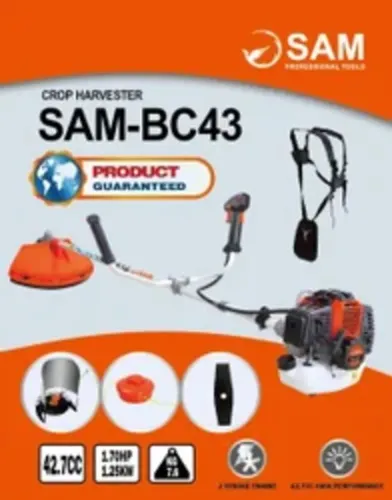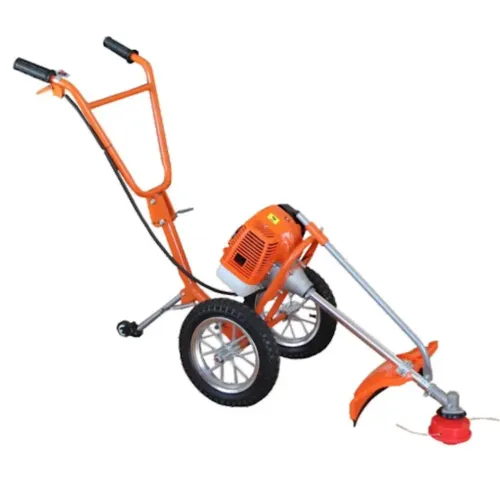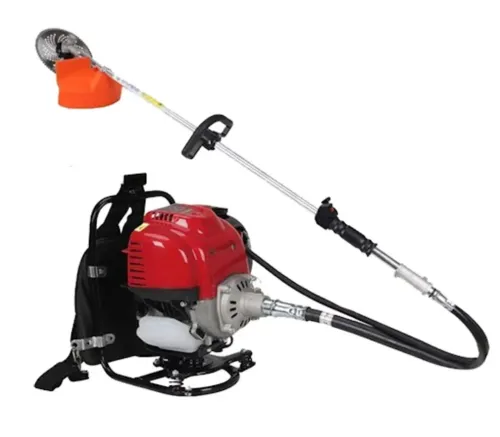
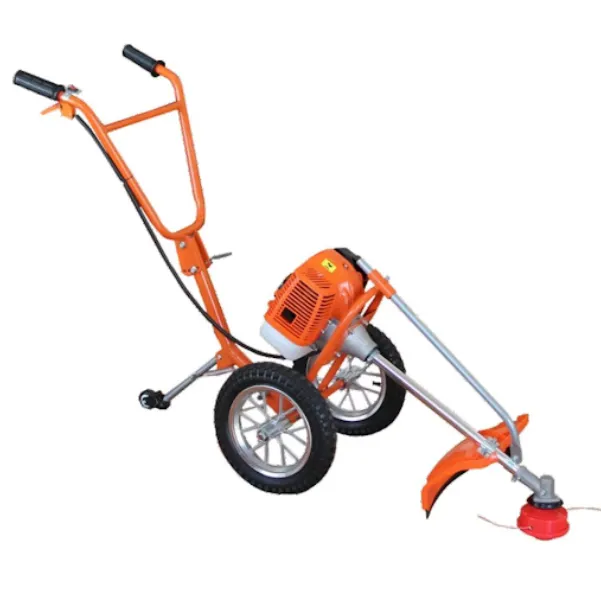
Clearing dense grass, weeds, and unwanted vegetation can become physically demanding when manual tools are used over large areas. A 2 stroke Brush Cutter provides a powered alternative for agricultural boundaries, landscaping projects, orchards, vacant plots, and other outdoor maintenance applications.
The right machine, however, depends on much more than engine type.
For users in Bangalore and across Karnataka, vegetation can range from regularly maintained grass to dense seasonal growth. Understanding the workload helps determine whether a particular brush cutter configuration is suitable.
Why Two Stroke Engines Are Common
Two-stroke engines are widely used in portable outdoor equipment because they can provide useful power in a relatively compact package.
This can make them suitable for users who need portable cutting equipment across larger properties or multiple work sites.
Fuel preparation requirements vary by machine. Operators should always follow the manufacturer's specified fuel and lubrication instructions rather than using an assumed mixture.
Incorrect fuel preparation can affect engine performance and durability.
Match the Cutting Attachment to the Vegetation
The engine is only one part of a brush cutter.
The cutting attachment determines how the machine interacts with vegetation. Depending on equipment specifications, machines may support appropriate cutting blades or trimmer heads for different applications.
Light grass, thick weeds, and tougher vegetation should not automatically be approached with the same cutting attachment.
Users should only install accessories approved for the specific equipment.
Weight Distribution Can Affect Productivity
A machine may appear manageable during a short demonstration but feel very different after extended use.
Agricultural contractors and landscaping professionals should consider:
- Machine weight
- Harness design
- Handle configuration
- Shaft arrangement
- Control position
- Vibration
- Balance during cutting
A properly adjusted harness can help distribute equipment weight and improve control during longer operating periods.
Evaluate the Work Area
Before choosing a 2 stroke Brush Cutter, consider the environment where it will be used.
Is the ground flat or uneven? Are there stones, fences, trees, irrigation pipes, buildings, or people nearby? Is the vegetation close to valuable plants?
These factors influence both machine selection and operating technique.
Brush cutters can throw debris, making appropriate protective equipment and a safe working area essential.
Commercial Users Should Think About Daily Workload
A homeowner maintaining a garden and a contractor clearing vegetation for several hours have different requirements.
Commercial users may place greater importance on durable components, comfortable controls, easy maintenance, and parts availability.
They should also consider whether operators can be trained consistently on starting, refuelling, attachment inspection, and safe handling.
Compare Lifecycle Requirements
Purchase price is only one component of ownership.
Fuel, lubricants, cutting accessories, maintenance items, and replacement wear components contribute to ongoing operating costs.
Before purchasing, ask what routine maintenance is required and how frequently commonly used components should be inspected.
Beacon India provides agricultural and outdoor power equipment for farmers, contractors, horticulture operators, and landscaping professionals in Bangalore. Buyers can assess machines based on vegetation type, operating frequency, cutting requirements, and handling preferences.
A well-selected 2 stroke Brush Cutter should suit the vegetation and the operator rather than simply offering an impressive engine specification. Comparing cutting attachments, weight, ergonomics, maintenance requirements, and expected daily workload can lead to a more practical purchasing decision.
Keywords