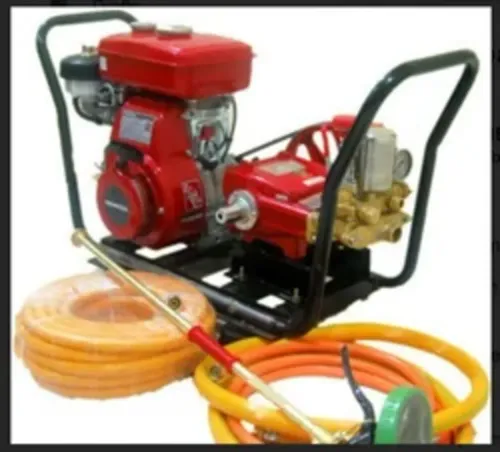
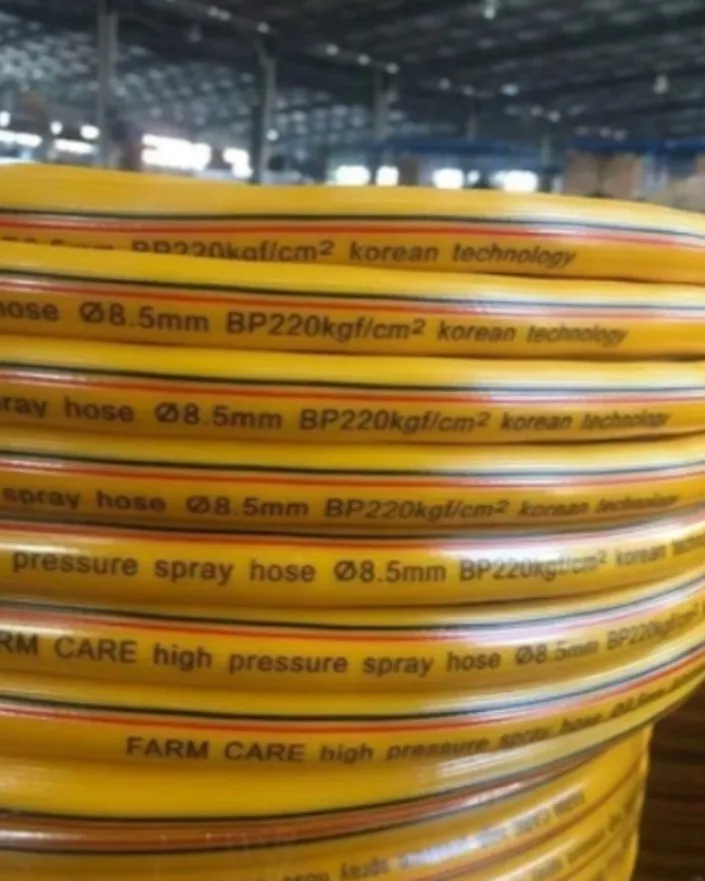
A dependable Hose Pipe is one of the most important components of any irrigation, spraying, or water transfer system. While pumps and sprayers often receive more attention, the hose itself plays a significant role in maintaining consistent water flow, pressure, and operational efficiency. Choosing the wrong hose can lead to leaks, reduced pressure, frequent replacements, and unnecessary downtime.
For farmers, landscapers, horticulturists, and industrial users in Bangalore and across Karnataka, understanding how to evaluate hose pipes before purchasing can save both time and long-term operating costs.
Why Material Quality Deserves Attention
Not all hose pipes are designed for the same working conditions. The material determines flexibility, durability, and resistance to environmental factors.
Some commonly available options include:
- PVC hose pipes for general agricultural use
- Reinforced hoses for higher pressure applications
- Rubber hoses for demanding industrial environments
- Multi-layer hoses for improved durability
The right choice depends on how frequently the hose will be used and the type of liquid being transferred.
Compare Flexibility with Working Strength
Many buyers focus only on thickness, but flexibility is equally important.
A good agricultural hose should:
- Bend easily without kinking
- Maintain steady water flow
- Resist cracking under sunlight
- Handle rough outdoor conditions
- Stay lightweight for easier handling
A hose that balances flexibility with structural strength reduces operator fatigue and improves productivity during long working hours.
Length and Diameter Affect Performance
Choosing the wrong hose size can reduce the efficiency of an otherwise powerful irrigation or spraying system.
Before purchasing, consider:
- Distance between the water source and work area
- Pump capacity
- Required flow rate
- Pressure requirements
- Frequency of movement around the field
Using unnecessarily long hoses may reduce pressure, while undersized hoses can restrict water flow.
Questions Worth Asking Before Buying
A practical buying checklist includes:
- Is the hose UV resistant?
- Can it handle agricultural chemicals?
- Does it withstand seasonal weather changes?
- Are compatible fittings readily available?
- Is replacement easy if damaged?
- Does it match your pump specifications?
Answering these questions helps avoid compatibility issues after installation.
Long-Term Value Matters More Than Initial Cost
A low-cost hose that requires frequent replacement may become more expensive over time than a higher-quality alternative. Professional users often prioritize durability because equipment downtime affects overall productivity.
Agricultural suppliers such as Beacon India offer hose pipe options suitable for irrigation, spraying, landscaping, and industrial applications, allowing buyers to choose products that align with their daily operational requirements.
Making an Informed Purchase
The right Hose Pipe supports efficient irrigation, dependable spraying, and smoother agricultural operations. Rather than selecting a product based only on price, evaluate its construction, pressure rating, flexibility, and compatibility with your existing equipment.
For farms, plantations, nurseries, and landscaping projects throughout Karnataka, investing in a quality hose contributes to reliable performance, reduced maintenance, and improved efficiency throughout the growing season.
Keywords