Applying agricultural liquids efficiently requires more than simply filling a tank and beginning to spray. Coverage, pressure, nozzle selection, operator technique, and equipment condition can all influence the result.
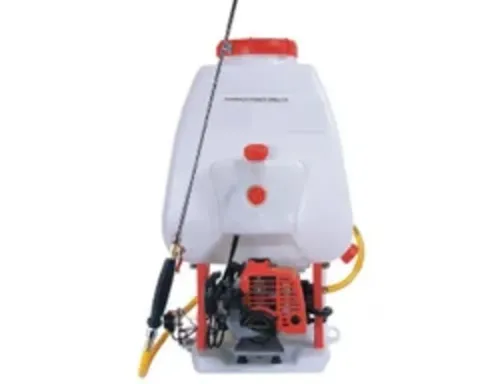
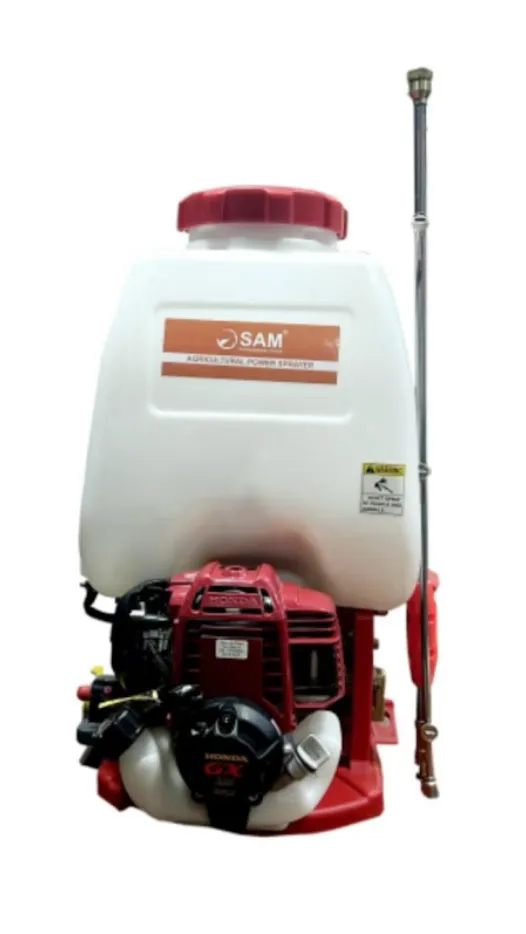
Knapsack Sprayers remain widely used because they provide portable application capability across farms, nurseries, gardens, orchards, and horticultural properties.
For agricultural users in Bangalore and Karnataka, selecting the right sprayer should begin with the application rather than tank capacity alone.
Determine What the Sprayer Will Be Used For
Sprayers can be used for different permitted agricultural and maintenance applications depending on equipment compatibility and the product being applied.
Users should always follow the instructions and safety requirements of the liquid manufacturer.
Before selecting a sprayer, determine:
- Required application area
- Frequency of spraying
- Recommended application rate
- Suitable nozzle pattern
- Required pressure
- Tank capacity
- Operator workload
These factors affect both efficiency and comfort.
Tank Capacity Needs Balance
A larger tank can reduce refill frequency, but it also increases the weight carried by the operator.
This trade-off matters when spraying larger properties.
A horticulture worker moving through narrow crop rows may prioritise mobility, while a user treating a compact garden may not need a high-capacity unit.
The best capacity is therefore the one that balances application requirements with manageable working weight.
Nozzle Choice Influences Coverage
The nozzle controls the spray pattern and delivery characteristics.
Different applications may require different patterns, so users should avoid assuming that one nozzle is appropriate for every job.
Nozzles can also wear over time, affecting consistency.
Regular inspection helps identify damage, clogging, or deterioration before it creates uneven application.
Pressure Should Remain Appropriate
Consistent pressure contributes to more predictable spraying.
When evaluating Knapsack Sprayers, buyers should consider how pressure is generated and maintained.
Operators should also use a steady walking pace and consistent technique where applicable. Irregular movement can lead to uneven coverage even when the sprayer itself is functioning correctly.
Prevent Common Operating Problems
Many spraying issues can be reduced through simple preparation.
Before beginning work:
- Inspect the tank and cap.
- Check hoses and connections.
- Examine the nozzle.
- Confirm that seals are in good condition.
- Ensure the equipment is clean.
- Use only compatible liquids.
- Wear appropriate protective equipment.
Never clear a blocked nozzle using unsafe methods. Follow the equipment manufacturer's recommended cleaning procedure.
Clean Equipment After Use
Residue left inside a sprayer can create blockages, contamination, and component deterioration.
Cleaning procedures should follow both sprayer instructions and the requirements associated with the liquid used.
Sprayers should then be stored safely away from unauthorised users, children, animals, food, and unsuitable environmental conditions.
Consider the Operator
Comfort matters when equipment is worn on the back.
Strap adjustment, tank shape, weight distribution, lance design, and control accessibility can affect how comfortably the unit can be used.
Beacon India supplies agricultural equipment for customers in Bangalore involved in farming, horticulture, landscaping, and garden maintenance. Buyers selecting spraying equipment can assess tank capacity, pressure system, nozzle requirements, ergonomics, and maintenance needs according to their intended application.
Properly selected and maintained Knapsack Sprayers can support efficient application work, but equipment alone does not guarantee good results. Correct setup, safe handling, consistent technique, suitable nozzles, and thorough cleaning are equally important parts of responsible spraying.
Keywords