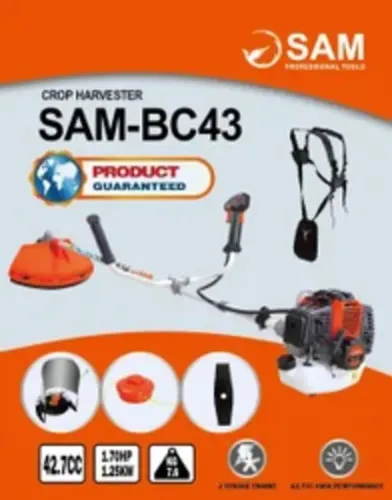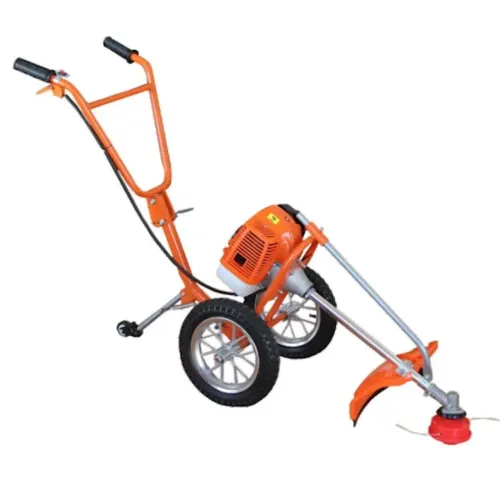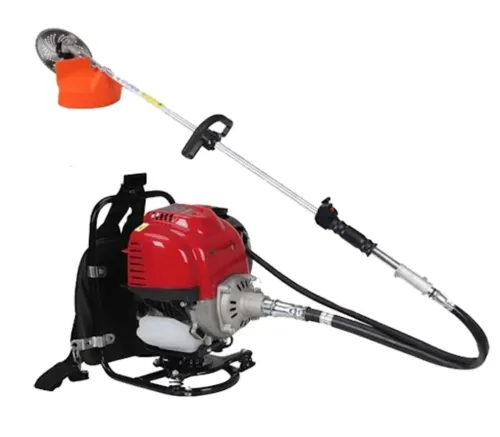
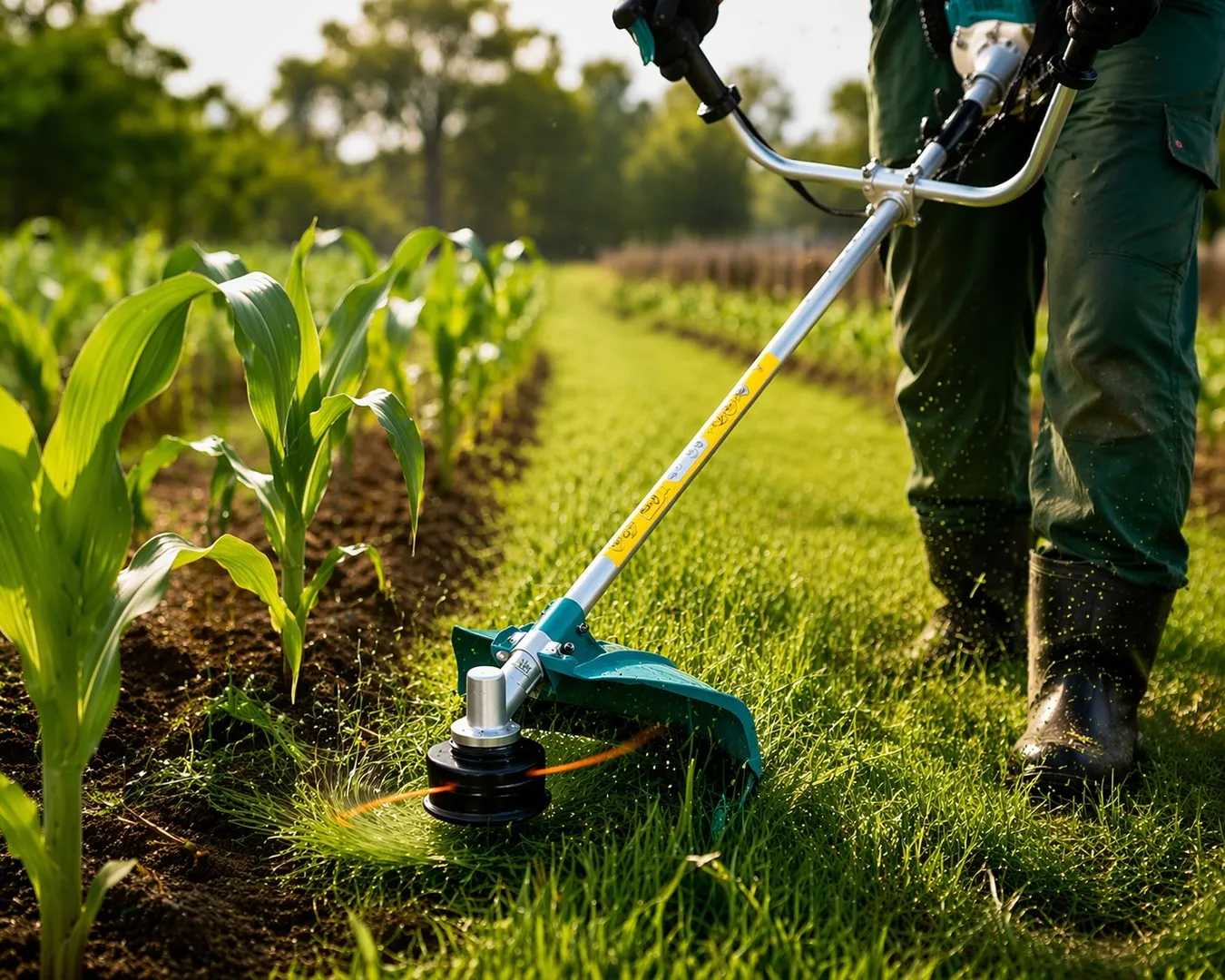
Keeping grass neat around trees, pathways, walls, fences, and landscaped edges can be difficult with larger cutting equipment. A Nylon Trimmer is designed for lighter vegetation maintenance where manoeuvrability and controlled trimming are important.
For gardening professionals, landscaping businesses, property maintenance teams, and individual users in Bangalore, choosing the correct trimmer requires an understanding of what the machine is designed to cut.
Know Where Nylon Trimming Works Best
Nylon-line cutting systems are generally associated with grass and lighter vegetation.
They can be particularly useful around:
- Lawn edges
- Garden borders
- Trees
- Pathways
- Fences
- Landscape features
- Areas difficult to reach with larger machines
They should not automatically be treated as replacements for equipment designed for substantially heavier vegetation.
Matching the cutting system to the material is essential for effective operation.
Look at Cutting Width
Cutting width influences how much area the machine can cover with each pass.
A wider cutting path may improve productivity in open areas, while a more compact setup can provide better manoeuvrability around landscape features.
Buyers should consider the actual property rather than assuming that a larger cutting width is always preferable.
Understand Nylon Line Requirements
The nylon line is a working consumable.
Line diameter and compatibility should match the trimmer manufacturer's specifications. Installing unsuitable line can affect feeding and cutting performance.
Users should understand how the line is loaded and advanced before beginning regular operation.
For professional gardening teams, keeping suitable replacement line available can help prevent unnecessary interruptions.
Weight and Balance Deserve Attention
A Nylon Trimmer is often used while moving continuously through a property.
Weight, grip position, shaft length, handle design, and overall balance can influence comfort.
This is especially important for landscaping teams in Bangalore that maintain multiple residential, commercial, or institutional properties during a working day.
Equipment that suits the operator can make repetitive trimming easier to manage.
Inspect the Working Area First
Trimming line rotates at high speed and can throw small objects.
Before starting work, inspect the area for stones, wire, glass, loose debris, and other hazards.
People should remain at a safe distance according to equipment instructions, and operators should wear appropriate protective equipment.
Extra care is needed around vehicles, windows, delicate plants, and property surfaces.
Consider Maintenance Access
Routine maintenance helps preserve dependable operation.
Depending on the equipment type, this can involve cleaning ventilation areas, inspecting the cutting head, replacing nylon line, checking fasteners, maintaining the power source, and storing the machine correctly.
Users should follow the manufacturer's specific maintenance schedule.
Identify Your Workload Before Buying
A homeowner maintaining a small lawn does not have the same requirement as a commercial landscaping contractor.
Before purchasing, estimate the size of the maintained area, frequency of use, typical grass density, number of operators, and transport requirements.
Beacon India provides outdoor and agricultural power equipment for gardening, horticulture, farming, and landscaping applications. Buyers looking for trimming equipment in Bangalore can match equipment specifications with the type of vegetation and the environments they regularly maintain.
A suitable Nylon Trimmer can make detailed grass maintenance faster and more manageable, particularly in spaces where larger cutting machines are inconvenient. The best purchase is based on vegetation type, cutting width, ergonomics, compatible line, maintenance needs, and realistic operating frequency.
Keywords